
Many in higher education may find it difficult to accept, but if the current opinion polls reflect how people are actually going to vote at the next general election we could well have Nigel Farage as Prime Minister of a Reform Party led populist government after 2029.
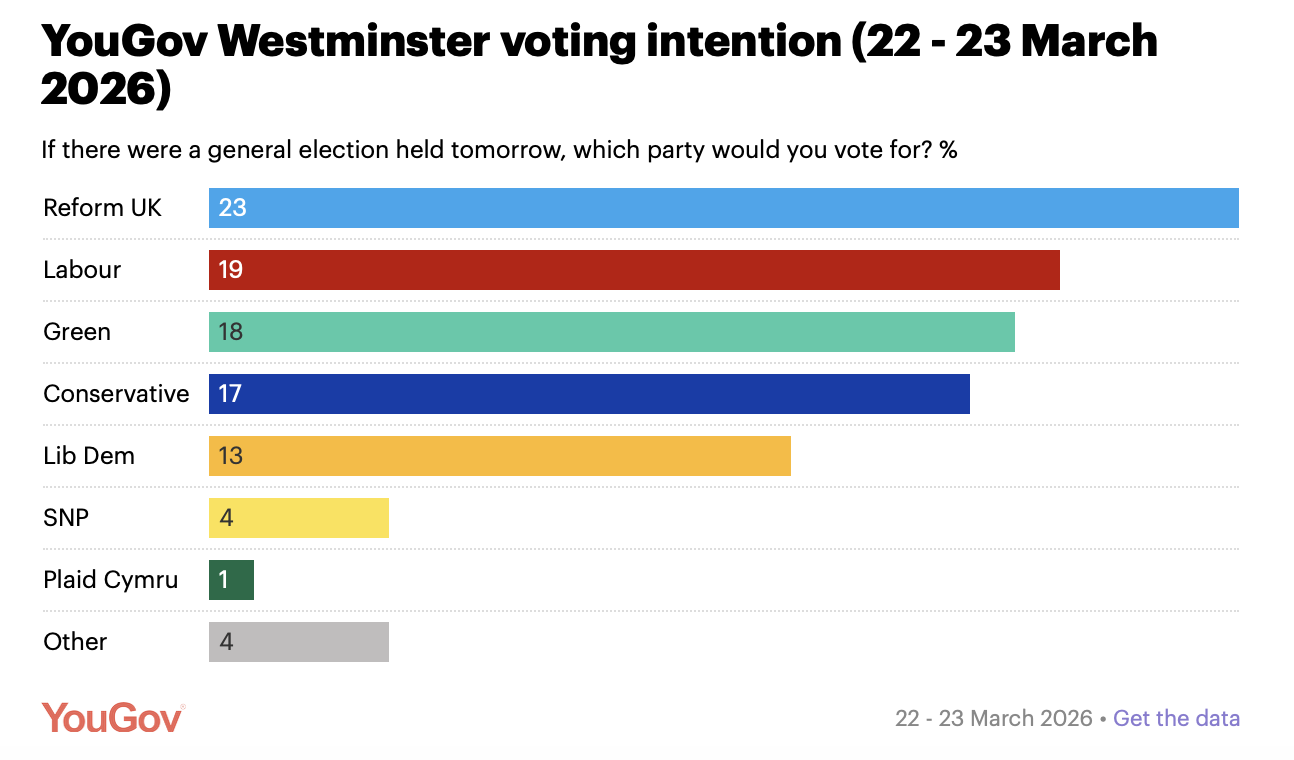
The latest YouGov voting intention poll for The Times and Sky News shows Reform UK leading on 23% of the vote, with Labour up a bit on 19%, Greens on 18%, Conservatives on 17% and The Lib Dems down to just 13%.
That was the mood in the country on 22-23 March 2026, but little has changed in recent months except for Labour losing support to the Greens, as vividly demonstrated in the recent Gorton and Denton by-election in Greater Manchester.
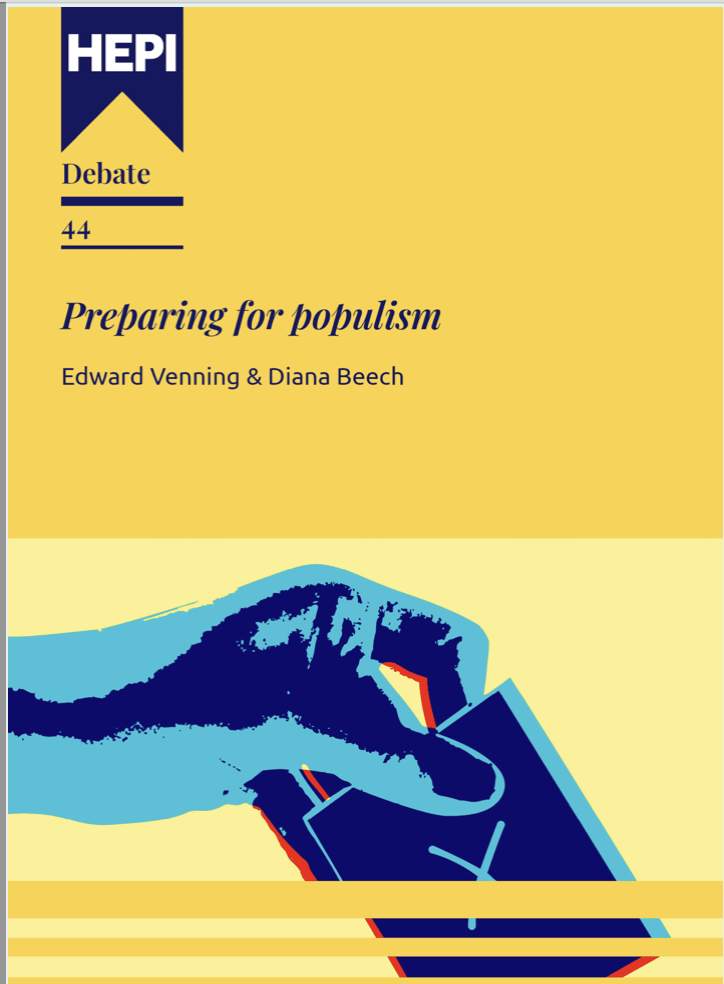
So, how timely is a new report titled Preparing for Populism, co-authored by Diana Beech and Edward Venning and published by the Higher Education Policy Institute (HEPI).

Unsettling reading
It is likely to be unsettling reading for some academics and student leaders, who want to draw the line when it comes to conversing with the political mavericks who left us with Brexit and pushed immigration concerns to the top of the agenda.
However, it is time for some plain speaking, particularly since the political mood has changed so much since the establishment-led campaign, fronted by then Tory Prime Minister David Cameron, failed so disastrously to win the 2016 referendum about whether the UK should stay in the European Union .
I mention the Remain (in the EU) campaign, partly because it was one of the few times university vice-chancellors put their money where their thinking was and got stuck in campaigning to stay inside the European bubble.
I remember travelling down from the North East of England to report on some of the pro-Remain events organised by Universities UK and thought I had entered a reverse universe. For back on the doorsteps on Teesside, I saw for myself how 70% of what were presumed to be Labour supporters wanted to vote Leave (the EU).
Some thought it was a way to give Cameron and the Tories a good kicking and, of course, Labour’s then leader Jeremy Corbyn was at best half-hearted about the benefits of remaining in the European Union.
But a majority were taken in by the populists, whether they came in the shape of Boris Johnson or Nigel Farage, and the seeds were sown for growing mistrust in the minds of many, particularly when it took four years for the Brexit verdict to be acted on.
Disillusionment set-in
Disillusionment with parliament and the ‘establishment’ institutions, including universities, set in.
It was made worse after the public turned against Boris Johnson and his dishonourable Tory government during the Covid pandemic – and, sadly, spirits have not been lifted by the election of Keir Starmer’s Labour government in 2024.
Unless Labour Chancellor Rachel Reeves can magic up an economic recovery in the next couple of years, it looks increasingly likely that the UK electorate will be on the move once again, splitting leftwards to the Greens and to the right and into the arms of Farage’s Reform movement.
It has already happened in Europe. And, of course, Donald Trump and his Make America Great Again (MAGA) crusade has shown what can happen when populism and ultra-nationalism takes hold of the machinery of government.
Universities are among the first to suffer the consequence unless they cave in to demands to end academic freedom.
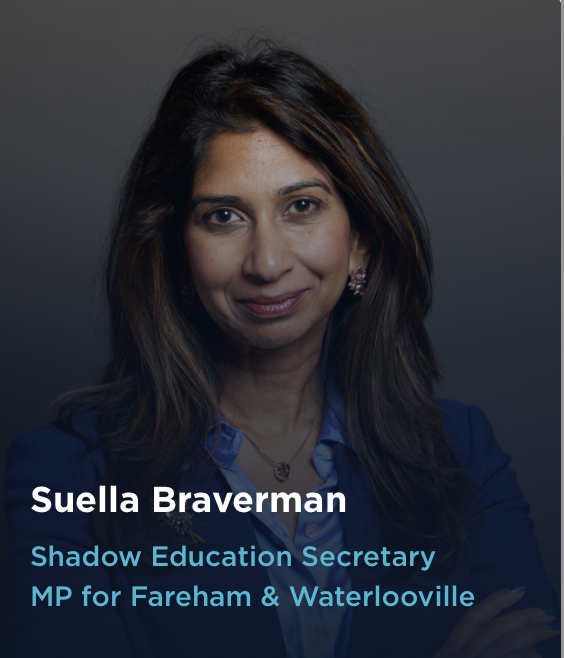
The writing is on the wall in the UK, with Reform making their ex-Conservative convert Suella Braverman education spokesperson.
Braverman has plenty of form when it comes to university-bashing, having introduced the ban on international master’s students bringing family members with them during her spell as Conservative government home secretary. That move led to a collapse in postgraduate recruitment of foreign students and the current financial woes of many UK universities.
Smell the coffee
In the new HEPI report, Beech and Venning urge higher education leaders and the academic community to wake up and smell the coffee and prepare for the growing likelihood of having to deal with a Farage-led government, whether that’s a coalition with right-wing splitters from the Conservative Party, or with Reform UK winning an outright majority of MPs with just over a third of the popular vote, as Starmer managed for Labour in 2024.P
The UK’s ‘first-past-the-post’ voting system makes such results possible, and, perhaps shows why we need to introduce proportional representation before 2029 to allow election results to reflect voting intentions more clearly and avoid sweeping majorities on a faction of the popular votes. But that’s another story!
Beech and Venning accuse universities of having a blinkered approach to growing populist sentiments and falling into “dull and defensive public debate” when the going gets rough.
They did so over Brexit and when they do go campaigning about the value of higher education it often falls on deaf ears.
Universities used to point to the so-called ‘graduate premium’, a term meant to mean that university graduates made loads more money than those who didn’t go on to higher education.
That no longer squares with the reality, with the likes of Braverman telling Times Higher Education (on 17 February 2026): “700,000 graduates are unemployed and carrying, on average, £50,000 worth of student debt” from tuition fee and maintenance loans.
In arguing that universities should put aside their own political belief and start engaging across the political spectrum, including with parties sceptical of higher education, most notably Reform UK, Beech and Venning say this is democratic realism and pluralism at work, rather than any endorsement of Reform UK.
Poor track record
However, universities have a poor track in engaging with their critics, let alone what many academics see as ‘the enemy’, as I wrote in a blog a few months before the 2024 general election.
In my blog, titled Why UK universities need to win over hearts and minds, I gave the example of a light-hearted “investigation” by the BBC in which comedian Geoff Norcott weighed-up whether it was worth saving up for his son to go to uni or whether he should spend the money on a new car.
The only university boss willing to defend going to university was the out-going vice-chancellor of Sheffield Hallam University, Professor Chris Husbands, and you could argue he had nothing much to lose. Norcott ended up deciding buying the car would be a better bet.
If universities can’t stomach putting up their vice-chancellors to defend getting into debt to gain a degree, there’s little hope of them putting up a higher education spokesperson to defend student loans or increasing public investment in higher education on Question Time when other guests include Reform UK’s Braverman.
Change tune
But, according to Beech, universities are running out of time to change their tune.
“They can no longer just engage with traditional parties. To be credible, they need to be talking with the full range of democratic opinion, including so-called populists. That is how autonomy is earned and protected,” she told me.
“Universities are struggling to shape the national conversation and they only have a narrow window in which to engage emerging populist parties before they either enter office or influence those who do.
“Once that window closes, institutions that fail to build relationships early on will find themselves recast not as partners but as convenient enemies.”
If you don’t believe the warning from Beech and Venning, just look across the (Atlantic) pond and what is happening in the United States and Trump’s other war – the war on Woke and academic autonomy.
Read the full ‘Preparing for populism’ report, here https://www.hepi.ac.uk/wp-content/uploads/2026/03/Preparing-for-populism.pdf or a shorter blog from the two-authors, here https://www.hepi.ac.uk/reports/preparing-for-populism/.